
What Does Atonement Mean in the Bible?
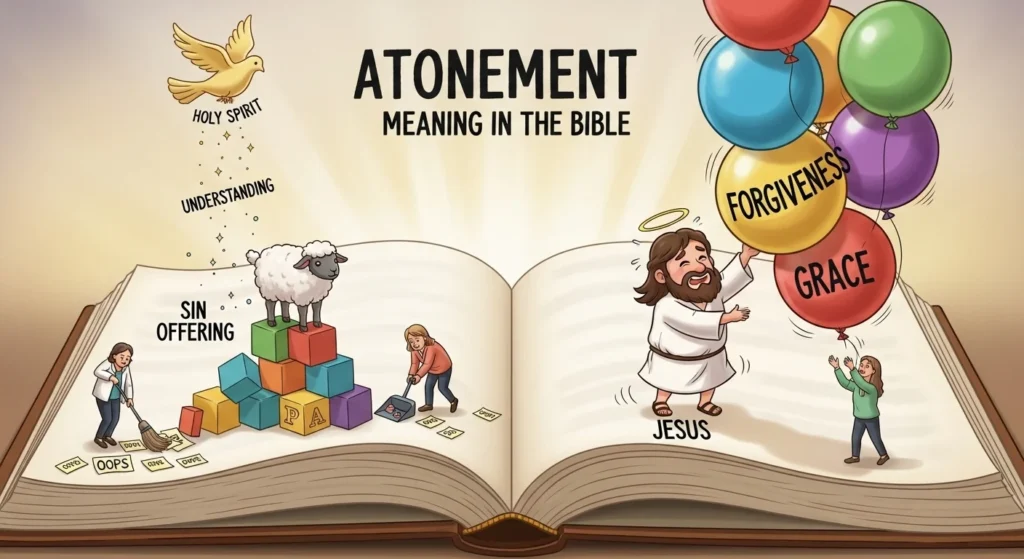
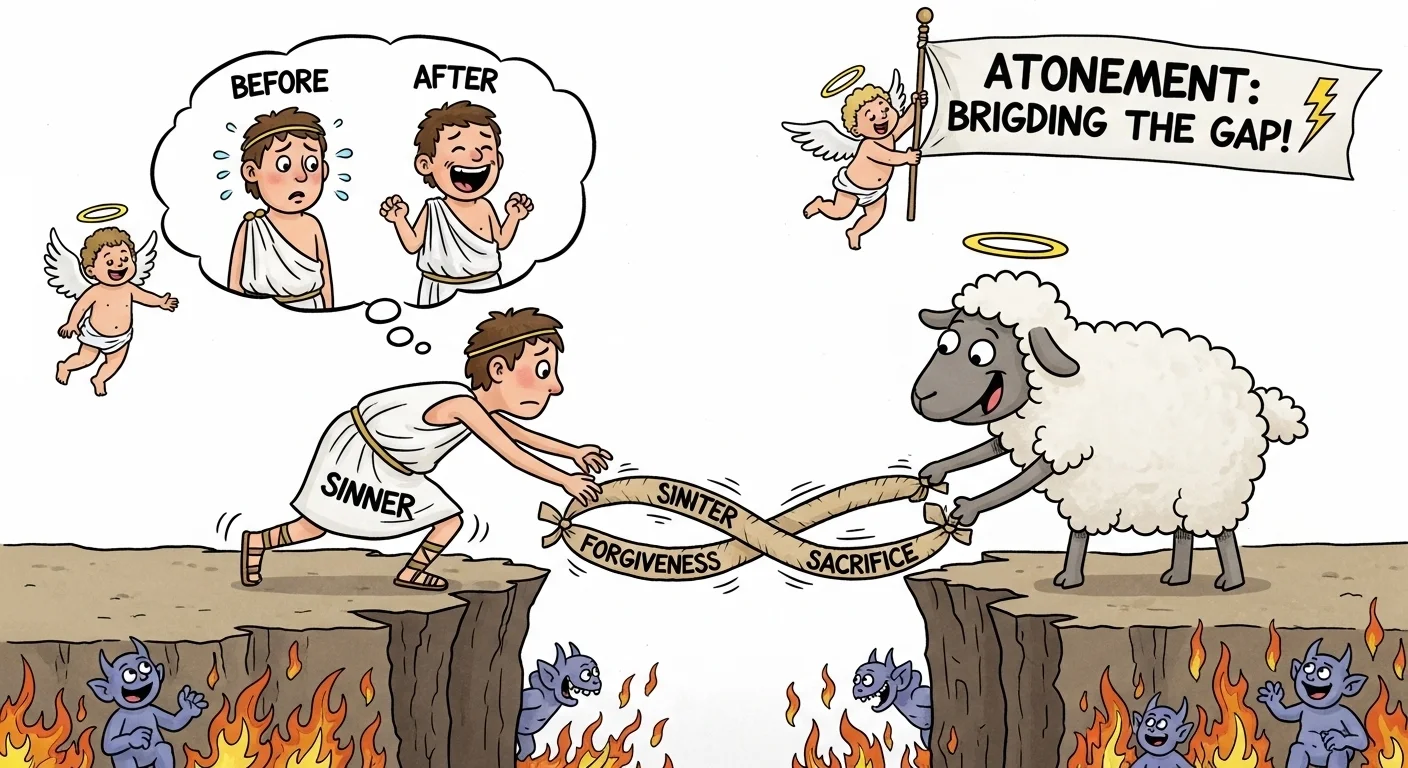
Atonement meaning in Bible in the Bible refers to making amends for sin, seeking forgiveness, and reconciling with God. In the Old Testament, sacrifices symbolized atonement for sin, while the New Testament reveals that Jesus Christ is the ultimate atonement, offering eternal reconciliation for all who believe.
Spiritually, Atonement meaning in Bible represents God’s mercy, Christ’s sacrifice, and the believer’s restored relationship with God.
Bible Verses About Atonement meaning in Bible, Forgiveness, and Reconciliation
1. Leviticus 16:30 (NIV)
“Because on this day Atonement meaning in Bible will be made for you, to cleanse you. Then, before the Lord, you will be clean from all your sins.”
Atonement meaning in Bible cleanses believers from sin and restores fellowship with God.
2. Romans 5:11 (NIV)
“Not only is this so, but we also rejoice in God through our Lord Jesus Christ, through whom we have now received reconciliation.”
Jesus provides true reconciliation and peace with God.
3. 1 John 2:2 (NIV)
“He is the atoning sacrifice for our sins, and not only for ours but also for the sins of the whole world.”
Christ’s sacrifice is the ultimate Atonement meaning in Bible for all humanity.
4. Hebrews 9:28 (NIV)
“Christ was sacrificed once to take away the sins of many…”
Atonement through Jesus is complete and final, offering eternal forgiveness.
5. Isaiah 53:5 (NIV)
“But he was pierced for our transgressions, he was crushed for our iniquities…”
Jesus’ suffering demonstrates the power of atonement through sacrifice.
6. Leviticus 4:20 (NIV)
“He shall do with the bull as he did with the bull for the sin offering…”
Old Testament sacrifices point to Christ’s ultimate atonement.
7. Ephesians 1:7 (NIV)
“In him we have redemption through his blood, the forgiveness of sins…”
Atonement brings redemption and freedom from guilt.
8. Romans 3:25 (NIV)
“God presented Christ as a sacrifice of atonement…”
God’s provision through Christ satisfies divine justice and grants forgiveness.
9. Hebrews 10:12 (NIV)
“But when this priest had offered for all time one sacrifice for sins…”
Christ’s sacrifice replaces all previous atonement rituals, fulfilling God’s plan.
10. 2 Corinthians 5:18-19 (NIV)
“All this is from God, who reconciled us to himself through Christ and gave us the ministry of reconciliation.”
Believers are called to share God’s reconciliation with others.
Theological Insights
Romans 5:11 (NIV) – Reconciliation with God is achieved through Christ’s sacrifice.
Hebrews 9:28 (NIV) – Jesus’ atonement is once for all, perfect and complete.
Ephesians 1:7 (NIV) – Forgiveness and redemption flow from Christ’s atoning blood.
These passages show that atonement symbolizes God’s mercy, Christ’s sacrifice, forgiveness, and restored relationship with humanity.